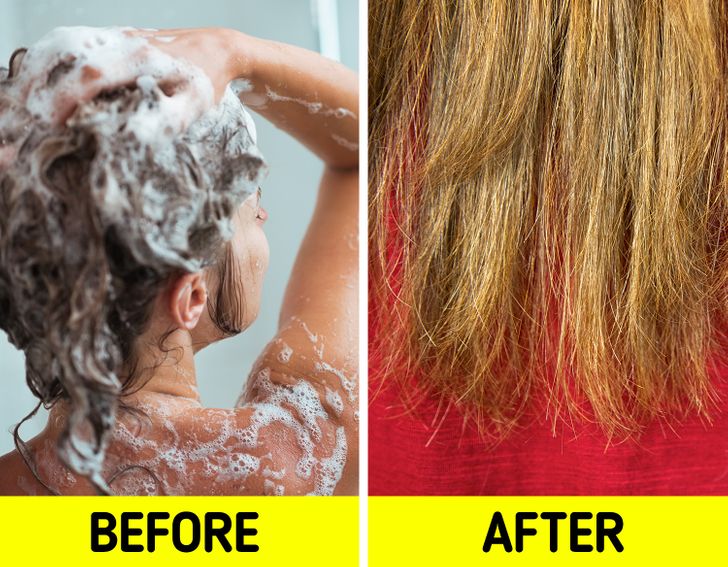
Shampoo is designed to clean the scalp and remove excess oil. But if it’s overused or if you work it all the way down the length of your hair, shampoo can damage your hair. Shampoo How to Apply and Use Conditioner strips the important oils the scalp produces and can leave the hair and scalp too dry. To prevent this, only shampoo the roots of your hair. The ends will be cleaned when you rinse the shampoo out of your roots.
“I see more problems with people overwashing their hair than you would think,” says Hughes. “If people didn’t rely on these detergents so much the quality of people’s skin would probably be better, especially as people get older. People in their 40s and 50s who are still washing their hair and scrubbing themselves as if they were teenagers are really damaging their skin. It takes a long time to fix that.”
Dandruff and shampoo
Your dandruff may actually be a sign of overwashing. Dry hair, itching, and persistent flaking or dandruff are all symptoms of an overly dry scalp. But that doesn’t mean we should all banish washing our hair forever.
“There’s a feeling out there that some of the natural hair oils are helpful for the hair and that’s certainly true, especially for people with curly hair,” says Hughes, “but you don’t need all of the oil you are producing on the hair all the time.”
Shampooing less often is more of a personal preference. Some people may experience itching when they wash less frequently. But for the most part, shampooing less will only change the appearance and feel of the hair. In extreme cases, you can get clogged pores or dandruff. Some people benefit from skipping traditional detergent-based shampoo altogether or using it rarely.
Alternative shampoos
Many beauty blogs and magazines have hailed the following alternatives to traditional shampoos:
Dry shampoo
Unlike the name suggests, the powder or spray cleaner isn’t actually cleaning your hair. Instead, it’s absorbing some of the oil and preventing your hair from clumping. But dry shampoo certainly has its place. Hughes recommends it for people who physically can’t wash their hair or who want to extend the time between washes.
Co-washing
Washing with conditioner or “cleansing conditioners” is on the rise. Companies like L’Oreal and Pantene have created products that are meant to wash and condition the hair without traditional detergents. Washing with conditioner only is the most beneficial for curly, wavy, or dry hair, according to Hughes. Simply wash your scalp like you would with shampoo. When you are done scrubbing, comb it through and let it sit for a couple of minutes before rinsing it out like normal.
If you wash with conditioner only, be sure to avoid any hair care products, including conditioner, with silicone. Silicone can give your hair a soft, smooth feel, but it can also build up on the hair and make it limp and greasy-looking. Skipping shampoo means that you won’t remove any of the silicone buildup. Ingredients ending in -cone like cyclomethicone, dimethicone, and amodimethicone are all silicone.
Water only
Fans of water-only washing tout gorgeous locks and bouncy curls, but there isn’t research on the benefits or downsides of only using water.
“I don’t think there’s anything bad or wrong with [washing with water only], and certainly washing with water will remove actual dirt, pollen, and sweat,” said Hughes. But the water-only method also leaves out any moisturizing you get from conditioner or hydrating shampoos.
 Site Title
Leave a comment